Blink Not Sending Notifications? Complete 2024 Smart Home Fix Guide
Introduction
Blink cameras and doorbells only protect your home if they actually alert you when something happens. When your Blink is not sending notifications, you can miss motion events, deliveries, and even potential security issues. That turns a smart home into a source of stress instead of peace of mind.
The good news is that most Blink notification problems come from a small set of causes: phone notification settings, Blink app and camera configuration, or Wi-Fi and Sync Module issues. Once you know where to look, you can usually fix the problem in just a few minutes.
This guide explains how Blink notifications work, how to recognize the type of problem you have, and then walks you through targeted fixes for iPhone, Android, Blink settings, and your network. Follow the sections in order for the fastest route back to reliable Blink alerts.
How Blink Notifications Work in a Modern Smart Home
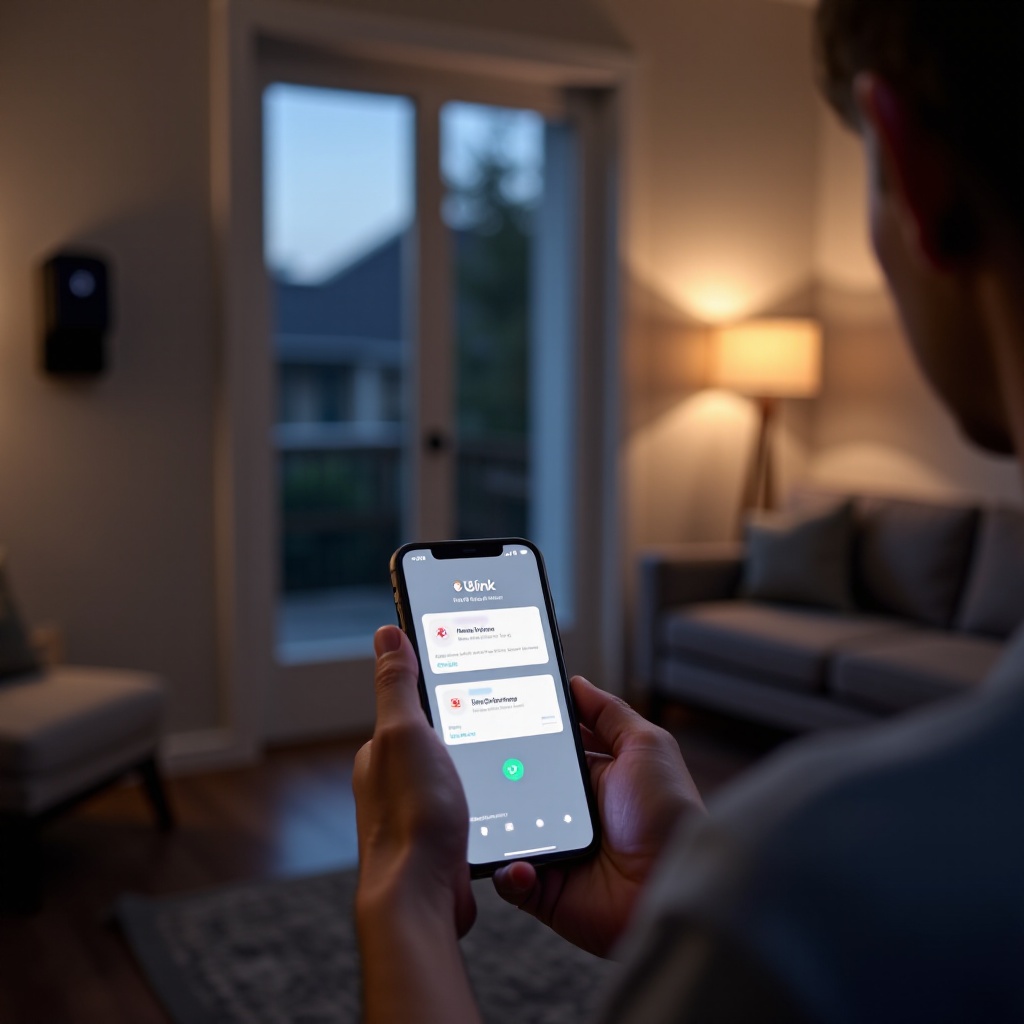
To solve a Blink not sending notifications issue, it helps to understand the basic path a motion alert follows. When you know each step, you can quickly spot where things are breaking and avoid random guesswork.
From Motion Event to Push Alert: The Basic Flow
Here is what normally happens when Blink notifications work correctly:
- The camera detects motion based on its sensitivity, zones, and armed status.
- The camera sends the event to the Blink Sync Module or directly to the Blink cloud, depending on the device model.
- The Blink cloud processes the event and triggers a push notification.
- Apple or Google push services deliver the alert to your phone.
- Your phone displays the notification according to its system and app settings.
If any of these steps fail, you either do not receive an alert at all or you see it with a delay.
Blink App, Cloud, and Your Phone: Who Does What?
Different parts of the Blink ecosystem have clear roles:
- The camera handles motion detection and video capture.
- The Sync Module and Blink cloud manage communication and push triggers.
- The Blink app on your phone receives and formats alerts.
- iOS or Android decides when and how to show alerts, based on notification and battery rules.
When Blink is not sending notifications, you should check each layer:
- Hardware and cloud: camera, Sync Module, and Blink servers.
- Software: Blink app settings and camera configuration.
- Phone environment: notification permissions, Focus or Do Not Disturb, and power settings.
With this overview in mind, the next step is to match your symptoms to the most likely causes.
Common Symptoms When Blink Is Not Sending Notifications
Notification problems do not all look the same. The pattern you see on your phone reveals which part of the system you should focus on. By naming your symptom, you can avoid wasting time on fixes that do not apply.
No Notifications at All
Sometimes you see no alerts on your phone, even when you walk in front of the camera and the system is armed. You might still be able to open Live View, which makes the situation more confusing.
This symptom usually points to one of these issues:
- Notification permissions are disabled for the Blink app.
- iOS Focus or Android Do Not Disturb is blocking alerts.
- Blink app notification toggles are off for motion events.
- The camera is not actually detecting motion in the first place.
Delayed or Inconsistent Notifications
In other cases, alerts show up late or only some of the time. You might see a motion clip in the app but receive the notification several minutes after the event. Or you get alerts when the app is open but not when your phone is idle.
Common causes include:
- Aggressive battery optimization or background app limits.
- Unstable Wi-Fi or weak signal for the camera or Sync Module.
- Temporary cloud or push service delays.
Alerts on One Device but Not Another
You may see perfect alerts on one phone but nothing on another. For example, your partner gets every Blink notification, while your phone stays silent.
That pattern almost always points to:
- Different notification settings between the two phones.
- Focus or Do Not Disturb active on one device but not the other.
- Battery or background restrictions applied only on one phone.
- Account or access differences between the two devices.
Once you understand which symptom you have, the next step is to run quick checks. Those checks make sure your Blink system is armed and actually producing motion events before you dive into deeper troubleshooting.
Quick Checks Before Deep Troubleshooting
Before changing dozens of settings, you should confirm that Blink has a chance to send notifications in the first place. These quick checks rule out simple mistakes and help you avoid chasing the wrong problem.
Confirm Your Blink System Is Armed
Blink will not send motion notifications when the system or individual cameras are disarmed.
Follow these steps:
- Open the Blink app.
- On the home screen, look at the system status at the top.
- Make sure it shows ‘Armed’ at the times you expect alerts.
- If it shows ‘Disarmed’, tap to arm it, then trigger a motion test.
Also review any automation or schedule in the app that might be disarming the system automatically. Many users forget they created a schedule that silences alerts during certain hours.
Test Motion Detection and Clip Recording
Next, confirm that the camera detects motion and records clips. If it does not, fixing notifications alone will not help.
- Open the Blink app and choose the camera you want to test.
- Ensure the system is armed.
- Walk through the camera’s field of view in a clear, obvious way.
- Wait a few moments, then go to the ‘Clips’ tab.
If you see a new motion clip but did not receive a notification, the issue lies in alert delivery, not detection. If there is no clip, motion settings need adjustment later in the guide.
Make Sure Do Not Disturb or Focus Modes Are Off
Phone-wide quiet modes are a frequent cause of missing alerts.
Do this:
- On iPhone, open Control Center and look under ‘Focus’. Turn off any active Focus mode and test again.
- On Android, open Quick Settings and check ‘Do Not Disturb’. Turn it off and then trigger motion.
If notifications start working with these modes off, you know the OS has been blocking alerts. You can then refine Focus or Do Not Disturb rules so Blink can bypass them when needed.
Once basic checks are complete, it is time to fix notification settings on your specific phone platform. Start with iPhone if you use iOS, or skip ahead to the Android section if needed.
Fix Blink Notifications on iPhone (iOS 17/18)
For many iPhone users, a Blink not sending notifications problem comes down to iOS rules. Apple gives strong control over how and when apps can alert you, but that also creates more chances for alerts to be blocked.
Enable Blink Notifications in iOS Settings
First, make sure iOS itself allows the Blink app to send notifications:
- Open ‘Settings’ on your iPhone.
- Tap ‘Notifications’.
- Scroll down and select ‘Blink’.
- Turn on ‘Allow Notifications’.
- Enable alerts for Lock Screen, Notification Center, and Banners.
- Turn on Sounds and Badges if you want audible and visual cues.
Then check the Blink app:
- Open Blink.
- Tap the settings icon.
- Go to ‘Notifications’ inside the app.
- Confirm that motion alerts and any other needed alerts are enabled.
If you still do not see alerts, the next suspects are Focus profiles and summary features.
Adjust Focus Modes, Scheduled Summary, and Live Activities
Focus modes can silently block or delay Blink notifications if the app is not allowed within those modes.
To review Focus settings:
- Open ‘Settings’ → ‘Focus’.
- Tap each Focus profile you use, such as Sleep, Work, or Driving.
- Under ‘Allowed Apps’, make sure Blink is listed, or disable that Focus when you need security alerts.
Next, check Scheduled Summary:
- Go to ‘Settings’ → ‘Notifications’ → ‘Scheduled Summary’.
- See if Blink appears in the list of summarized apps.
- If it does, remove Blink from the summary or turn off Scheduled Summary so alerts arrive in real time.
If you customize the Lock Screen or use features like Live Activities, make sure those layouts do not hide or filter out Blink notifications.
Check Background App Refresh and Low Power Mode
Although iOS push notifications do not rely heavily on constant background activity, background and power settings can still affect reliability.
Check Background App Refresh:
- Open ‘Settings’ → ‘General’ → ‘Background App Refresh’.
- Make sure Background App Refresh is enabled for Wi‑Fi and Cellular.
- Scroll to Blink and confirm the toggle is on.
Then review Low Power Mode:
- Go to ‘Settings’ → ‘Battery’.
- If ‘Low Power Mode’ is on, turn it off and test your Blink alerts.
If notifications work only when Low Power Mode is off, you may need to avoid leaving it enabled during times when security alerts are critical.
Now that iPhone settings are covered, let us address Android, where device makers add their own layers on top of the core OS.
Fix Blink Notifications on Android (Android 13/14 and Newer)
Android offers great flexibility, but that also means more places where Blink notifications can be blocked. The main areas to check are notification permissions, per-channel settings, and power management rules.
Grant Notification Permissions and Enable All Channels
Recent Android versions ask you to grant notification permission the first time you open an app. If you denied this prompt, Blink cannot alert you.
To fix this:
- Open ‘Settings’ → ‘Apps’ → ‘Blink’.
- Tap ‘Notifications’.
- Turn on ‘Allow notifications’.
- Expand notification categories or channels for Blink.
- Ensure each important channel, such as Motion Alerts or System Alerts, is enabled.
- Set those channels to ‘Alerting’ instead of ‘Silent’.
Then open the Blink app and confirm that its internal notification toggles for motion and other events are also turned on.
Disable Battery Optimization and Background Limits for Blink
Battery optimization is one of the most common reasons why Android users see delayed or missing Blink alerts.
Adjust these settings:
- Go to ‘Settings’ → ‘Apps’ → ‘Blink’ → ‘Battery’.
- Set Blink to ‘Unrestricted’ or ‘Not optimized’, depending on your device.
- Turn off any background restrictions specific to Blink.
Then review global battery rules:
- On many devices, go to ‘Settings’ → ‘Battery’ → ‘Battery optimization’, ‘Adaptive Battery’, or similar.
- Find Blink and remove it from aggressive battery-saving lists, if possible.
These changes allow Blink to receive push notifications even when the app is not open on the screen.
OEM‑Specific Settings on Samsung, Pixel, and Other Devices
Phone makers often add their own task killers and background rules. To protect Blink from them, check brand-specific settings:
- Samsung: Open ‘Settings’ → ‘Battery and device care’ → ‘Battery’ → ‘Background usage limits’. Remove Blink from ‘Sleeping apps’ and ‘Deep sleeping apps’.
- Google Pixel: Go to ‘Settings’ → ‘Apps’ → ‘Blink’ → ‘Battery’ and set it to ‘Unrestricted’.
- Other brands (OnePlus, Xiaomi, etc.): Look for options like ‘Auto-start’, ‘App protection’, or ‘Lock app’ in the recent apps menu so the system does not kill Blink in the background.
After making these changes, trigger a motion event and watch for the notification. If alerts still do not show but clips record, then the Blink app and camera configuration itself may be suppressing notifications.
Check Blink App and Camera Settings That Block Alerts
Even with perfect phone settings, Blink might not send alerts if camera-level options are misconfigured. Motion detection, zones, schedules, and modes all affect when notifications fire.
Motion Detection Toggles and Sensitivity per Camera
Each camera has its own motion setting inside the Blink app.
To review them:
- Open the Blink app.
- On the home screen, tap the gear icon for the camera you want to adjust.
- Make sure ‘Motion Detection’ is turned on.
- Adjust the ‘Sensitivity’ slider higher if the camera misses movement.
- Save your changes, then test by walking across the camera’s view.
If sensitivity is too low, only close or large movements will trigger alerts. Increasing it slightly can restore proper notifications.
Activity Zones, Privacy Zones, and Retrigger Time
Blink lets you mask areas to ignore motion. That is useful, but if you misconfigure zones, you can block the very area you care about.
Check zones and retrigger time:
- In the camera settings, open ‘Activity Zones’ or ‘Privacy Zones’.
- Look at the overlay on the camera preview.
- Ensure that your door, driveway, or walkway sits in an active zone, not a blocked one.
- Adjust the pattern so the key areas are monitored.
- Review ‘Retrigger Time’; if it is very high, reduce it so the camera can report events more frequently.
Retrigger Time sets how long the camera waits before it can record another clip. When set too high, multiple events close together may appear as missed notifications.
Schedules, Geofencing, and Home/Away Modes
If you use schedules or location-based features, they may be turning off motion alerts at the wrong times.
Review these controls:
- From the Blink home screen, open any scheduling or automation options.
- Check if you set a schedule that arms and disarms the system automatically.
- Confirm the system is armed during the hours you expect notifications.
- If you use geofencing or Home/Away style rules, verify your phone’s location is accurate and the rules are defined correctly.
Once camera and app settings look correct, it is time to make sure your network and Sync Module are stable so events can reach the cloud and trigger alerts.
Network, Wi‑Fi, and Sync Module Troubleshooting
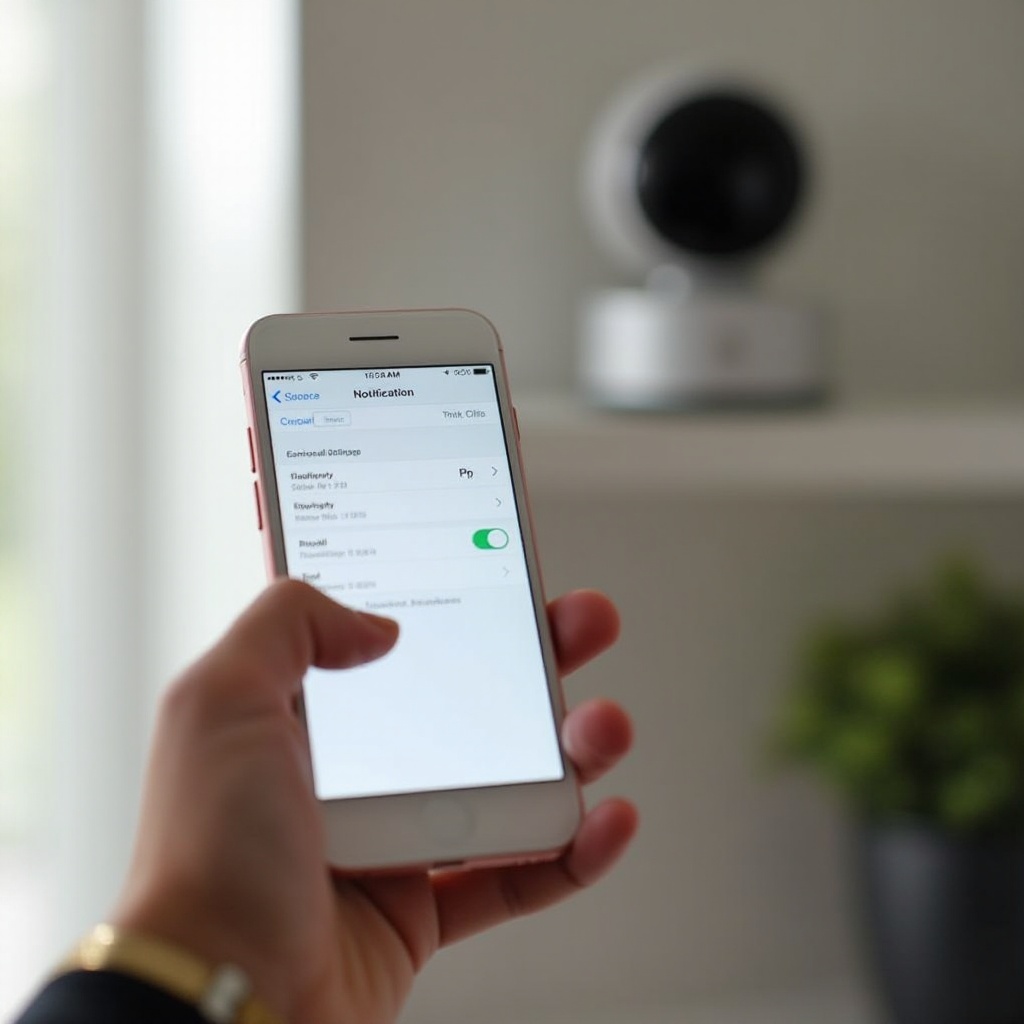
Even with ideal configuration on your phone and in the Blink app, weak Wi‑Fi or Sync Module issues can still cause a Blink not sending notifications problem. The system must stay online to deliver alerts consistently.
Verify Sync Module Status Lights and Connectivity
The Sync Module acts as the hub for many Blink cameras, so its status is critical.
Follow these steps:
- Look at the LED lights on the Sync Module.
- Typically, a solid green and solid blue light means normal operation.
- If you see blinking or red lights, open the Blink app and check whether the module appears as ‘Offline’.
If the Sync Module is offline:
- Unplug it from power for 10–15 seconds.
- Plug it back in and wait a few minutes.
- Check its status again in the app.
An offline Sync Module prevents cameras from sending events to the Blink cloud, so no notifications can go out until it comes back online.
Wi‑Fi Strength, Channel Congestion, and Mesh Networks
Poor Wi‑Fi can cause dropped connections, delayed clips, and unreliable alerts.
To improve this:
- In the Blink app, review the Wi‑Fi signal strength for each camera.
- If a camera shows a weak signal, move the Sync Module closer or adjust the router position.
- Avoid placing cameras behind thick walls, metal objects, or large appliances that block signal.
- If you use a mesh system, make sure cameras and the Sync Module connect to stable nodes.
If your router allows it, create a dedicated 2.4 GHz network name (SSID) for smart home devices. Many IoT products, including Blink, perform best on 2.4 GHz for range and stability.
Internet Outages vs Blink Cloud or Service Issues
Sometimes the issue is not your phone or your hardware, but connectivity between your home and the Blink cloud.
To check this:
- Try browsing the web or streaming on another device at home.
- If those services fail, your internet connection may be down. Fix that first with your modem or ISP.
- If your internet works but Blink devices show offline, look for official Blink status updates through support channels.
Once you confirm that both your home network and Blink servers are healthy, the final piece to review is how other smart home integrations might be affecting your notifications.
Smart Home Integrations That Affect Notifications
Many people connect Blink to Alexa, Echo devices, and other smart home platforms. These integrations can enhance your setup, but they can also change how and where notifications appear, which sometimes hides the root problem.
Alexa Announcements, Echo Devices, and Routines
If you link Blink to Alexa, motion events can trigger voice announcements on Echo speakers and smart displays.
To review this setup:
- Open the Alexa app on your phone.
- Go to ‘Devices’ → ‘Cameras’ and select your Blink camera.
- Check options for ‘Motion Announcements’ or similar.
- Enable or disable them based on your preferences.
Also look at Alexa Routines:
- Open the ‘Routines’ section in the Alexa app.
- See whether any routines trigger when Blink detects motion.
- Confirm they do not unintentionally replace or mask phone notifications.
If your Echo announces motion but your phone stays quiet, then Blink and Alexa are working, but your mobile notification settings still need adjustment.
Using Blink with Smart Hubs and Automations
Some users tie Blink into other smart home tools through supported methods or third‑party bridges. Those automations can arm or disarm cameras, change modes, or trigger actions based on motion.
When you use these setups:
- Review each automation to see when it arms or disarms Blink.
- Check whether any rule is muting or replacing mobile alerts.
- Make sure your most important cameras stay active when you need security coverage.
If you find conflicts, simplify your rules so it is clear when Blink should send notifications and when it should stay quiet.
Avoiding Conflicting Notification Rules Across Platforms
Between Blink itself, your phone, Alexa, and other automation platforms, it is easy to create overlapping notification paths.
To keep things clear and reliable:
- Choose one or two primary channels for critical alerts, usually your phone and maybe one smart speaker.
- Turn off duplicate or unnecessary alerts in other apps.
- Ensure that at least your main phone is always allowed to receive alerts, even during Focus or Do Not Disturb modes.
If you still experience problems after cleaning up integrations, it may be time for deeper app resets and, if needed, help from Blink support.
Advanced Fixes and When to Contact Blink Support
When you have tried all the typical fixes and your Blink is still not sending notifications, you may be dealing with corrupted app data, odd account issues, or a hardware fault. At this stage, more advanced steps and support can save time.
Clear Cache, Reinstall the App, and Re‑add Devices
Resetting the Blink app often resolves hidden bugs.
Try this process:
- Log out of the Blink app on your phone.
- On Android, go to ‘Settings’ → ‘Apps’ → ‘Blink’ → ‘Storage’ and tap ‘Clear cache’. If issues persist, use ‘Clear data’ as well.
- On iPhone, delete the Blink app from your home screen.
- Restart your phone.
- Reinstall Blink from the official app store.
- Sign in again and recheck notification and motion settings.
If only certain cameras misbehave, try removing and re‑adding them:
- In the Blink app, delete the problematic camera from your system.
- Add it back using the QR code or serial number.
- Set up motion sensitivity, zones, and notifications again from scratch.
Reset Cameras and Sync Module Safely
When devices stay offline or behave unpredictably, a reset can help, but you should do it carefully.
Start with gentle resets:
- Power cycle cameras by removing and reinserting batteries or unplugging and reconnecting power.
- Power cycle the Sync Module by unplugging it for 10–15 seconds and plugging it back in.
If problems remain and you are comfortable with a full setup process, follow Blink’s official factory reset steps for your specific camera or Sync Module model, then set everything up again as if it were new.
What to Collect Before Reaching Blink Customer Support
If nothing resolves your Blink not sending notifications issue, it is time to contact Blink support. Providing precise information will help them diagnose the problem faster.
Gather the following details:
- The email address associated with your Blink account.
- The exact camera and Sync Module models you use.
- Your phone model and its iOS or Android version.
- Screenshots of your Blink notification, motion, and system settings.
- Dates, times, and examples of when notifications failed or were delayed.
- Any recent changes, such as new routers, app updates, or added smart home integrations.
With this information ready, support can more quickly test for account issues, known bugs, or hardware faults and guide you toward a final solution.
Conclusion
When Blink is not sending notifications, it is usually due to a manageable set of causes: phone notification rules, Blink app and camera configuration, or Wi‑Fi and Sync Module reliability. By confirming that your system is armed, checking that motion clips exist, and then working through iPhone or Android settings, most users can restore dependable alerts without replacing any hardware.
After you fix the core issue, spend a few minutes fine‑tuning motion sensitivity, zones, and schedules. That way, you will receive timely notifications for important events without feeling overwhelmed by constant alerts. With the right configuration, your Blink cameras can again operate as a reliable and essential part of your 2024 smart home security setup.
Frequently Asked Questions
Why is my Blink recording clips but not sending notifications?
If you see motion clips but no alerts, the cameras and cloud are working. The issue usually sits on your phone. First, check that Blink notifications are allowed in your iOS or Android settings and that Focus or Do Not Disturb modes do not block them. Then confirm notification toggles are enabled in the Blink app itself. Disable aggressive battery optimization or background limits, as they can stop push alerts while still allowing recordings.
Why do Blink notifications work on one phone but not another?
When one phone receives Blink alerts and another does not, each device is using different notification or battery rules. On the phone that fails, review notification permission for Blink, Focus or Do Not Disturb settings, and any battery or background restrictions. Also make sure both phones are logged into the correct Blink account or have proper shared access. Once the OS and app settings match on both devices, notifications typically become consistent.
How can I make Blink notifications more reliable in my 2024 smart home setup?
To keep Blink notifications reliable, protect the app from battery and background limits on your phone, and set Blink to unrestricted or not optimized. Fine-tune motion sensitivity, activity zones, and schedules so you only get meaningful alerts. Ensure strong 2.4 GHz Wi‑Fi coverage for your cameras and Sync Module, and avoid frequent router changes. Finally, test your setup regularly by walking in front of each camera and confirming that both clips and notifications appear as expected.