Vintage Home Speakers: A Complete 2024 Guide to Buying, Restoring, and Enjoying Classic Sound
Introduction
Vintage home speakers keep winning over music lovers who want more than just background noise. They listen for character, warmth, and presence. The gear tells a story, and the sound often feels more human than many cheap modern options.
This guide walks you through what makes vintage home speakers special, how to choose the right pair, and how to restore them if they need work. You will also see how to connect vintage speakers to modern amps, smart TVs, and streaming services without losing their classic charm.
By the end, you will know how to shop with confidence, avoid common pitfalls, and build a system that looks great and sounds even better in 2024.
Why Vintage Home Speakers Are Popular in 2024
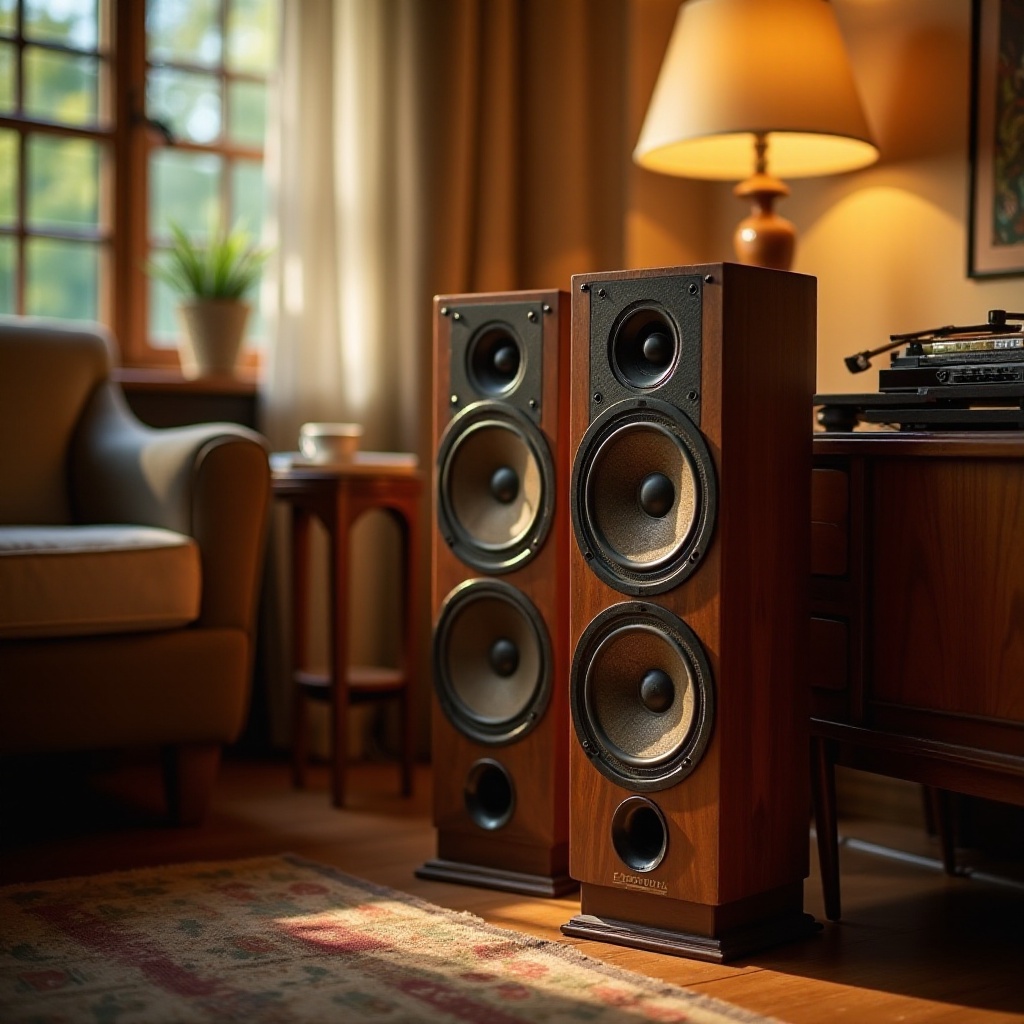
More people in 2024 look for gear that feels real and built to last. Vintage home speakers hit that sweet spot. They stand out in a world of small plastic soundbars and disposable Bluetooth speakers.
The Appeal of Analog Warmth and Character
Many listeners describe vintage home speakers as warm or musical. That feeling comes from several factors:
- Older paper cones and cloth surrounds often have a smoother, more relaxed sound.
- Designs from the classic hi-fi era focused on natural midrange, where voices and instruments live.
- When you pair a good vintage speaker with a solid amplifier, the result can sound rich and engaging, even at low volumes.
This does not mean vintage is always better, but it does mean the listening experience can feel more organic and less clinical than some modern budget speakers.
Design, Nostalgia, and Interior Style
Vintage home speakers also look different. Real wood veneer, fabric grills, and bold proportions can turn them into furniture pieces, not just gear. They work well in:
- Mid-century modern rooms
- Minimalist spaces that need one strong visual anchor
- Cozy living rooms with records, books, and warm lighting
For many buyers, nostalgia also plays a role. They want the speakers they grew up with, or the models they saw in old photos and magazines. Great sound plus emotional connection is a powerful combo, and that explains a lot of the current demand.
As more people discover this blend of sound and style, it becomes important to understand what vintage home speakers actually are and how they differ from modern designs.
Understanding Vintage Home Speakers
Before you shop, you need a clear picture of what counts as vintage and how these speakers work. This foundation will help you compare models and spot real value.
What Counts as a Vintage Home Speaker Today
In 2024, most people use vintage home speakers to describe models from the classic hi-fi decades. The exact cutoff is not strict, but the key factors are:
- They use passive designs that need an external amplifier or receiver.
- They come from respected audio brands with proven track records.
- They reflect past design trends: larger cabinets, wood finishes, fabric grills.
They are not the small, plastic, all-in-one Bluetooth speakers you find in many stores today.
Key Components: Drivers, Cabinets, and Crossovers
A vintage home speaker usually includes three main parts:
- Drivers – woofers, midrange drivers, and tweeters that produce sound.
- Cabinet – the box that holds everything; its size and material strongly affect tone.
- Crossover – a small internal circuit that sends the right frequencies to each driver.
Over time, some parts age. Foam surrounds can rot, capacitors in crossovers can drift out of spec, and cabinets can pick up scratches. Knowing these parts helps you judge condition and plan repairs.
Common Vintage Speaker Types for Home Listening
You will see a few main types of vintage home speakers:
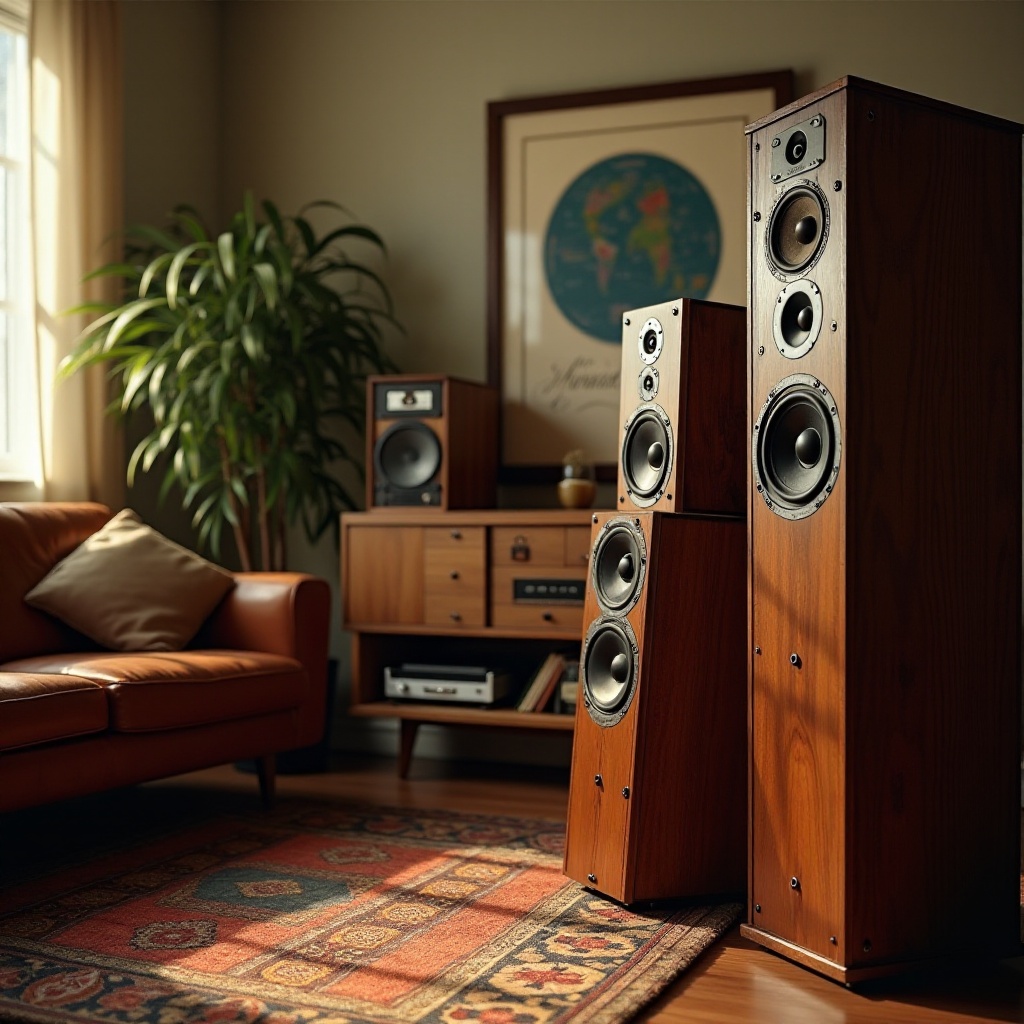
- Large floorstanding speakers: strong bass and big sound, but they need space.
- Bookshelf speakers: smaller cabinets that fit on stands or shelves.
- Studio-style monitors from the hi-fi world: more focused sound, often with a punchy midrange.
Once you know the basics, you can start matching specific brands and models to your listening style and room. That begins with a closer look at the names that still matter in 2024.
Top Vintage Home Speaker Brands and Models to Know
Certain brands built reputations that still matter in 2024. Knowing these names helps you spot good options, avoid weak ones, and understand why some models cost more than others.
Iconic American Hi-Fi Brands
Many classic American brands earned loyal followings by building sturdy, musical speakers. You will find:
- Horn-based speakers with high sensitivity that work well with lower-power amps.
- Acoustic suspension designs with tight, controlled bass for smaller rooms.
- Mass-market hi-fi speakers that balanced affordability with solid performance.
These brands helped shape the hi-fi boom and still carry weight on the used market.
Standout Japanese and European Classics
Japanese and European makers also produced legendary vintage home speakers. Common highlights include:
- Compact bookshelf speakers known for clarity and imaging.
- Floorstanders that deliver a refined, balanced sound suitable for many genres.
- Models with distinctive styling, such as unusual grills or unique cabinet shapes.
These speakers can work especially well if you like detailed but smooth sound.
Accessible Vintage Models for New Buyers
If you are just starting, you do not need rare or ultra-expensive gear. Instead, look for:
- Models that appear often on local marketplaces or in hi-fi shops.
- Speakers with simple, well-documented designs that are easy to repair.
- Pairs that reviewers and forum members describe as good value or sleeper choices.
Once you have a brand and model in mind, the next step is to decide whether a given pair fits your room, system, and budget. That requires careful matching to your space.
How to Choose the Right Vintage Home Speakers for Your Space
A great pair of vintage home speakers will not sound right if they do not match your room or your amplifier. Careful matching saves time, money, and frustration.
Matching Speakers to Room Size and Layout
Start by thinking about your room:
- Small room or apartment:
- Choose compact bookshelf speakers or small floorstanders.
- Avoid very large cabinets that can overpower the space and cause boomy bass.
- Medium to large room:
- Larger floorstanding speakers can fill the space with ease.
- You will have more freedom to pull speakers away from walls for better imaging.
Also consider layout. If your sofa sits against a wall or your speakers must sit close to corners, you may want designs that tolerate near-wall placement.
Power Handling, Sensitivity, and Amplifier Matching
Vintage home speakers usually need an external amp or receiver. To match them correctly:
- Check power handling: make sure your amp’s output fits within the speaker’s recommended range.
- Look at sensitivity (given in dB):
- Higher sensitivity speakers play louder with less power.
- Lower sensitivity speakers may need stronger amps to sound lively.
- Match impedance: most vintage home speakers are 4–8 ohms; check your amp supports this range.
This basic matching helps you avoid under-powering or overdriving the speakers.
Budget Planning: Purchase Price vs. Upgrade Costs
A low purchase price can hide future costs. Before you buy, set a total budget that covers:
- The speakers themselves
- Possible refoaming or recapping
- Stands, cables, and shipping if needed
Assume older speakers may need some work, especially if they still use foam surrounds. With your needs and budget clear, the next decision is where and how to buy safely.
Where to Buy Vintage Home Speakers Safely in 2024
You can find vintage home speakers in many places, but some sources are safer and more predictable than others. Choosing the right channel reduces risk and stress.
Local Options: Hi-Fi Shops, Estate Sales, and Thrift Stores
Local shopping offers one huge advantage: you can see and often hear the speakers before you pay.
Good options include:
- Independent hi-fi shops that specialize in used and vintage gear.
- Estate sales and moving sales in older neighborhoods.
- Thrift stores and charity shops, though great finds may be rare.
Local buys cut out shipping risk and let you judge condition more accurately.
Online Marketplaces and Audiophile Communities
If local options are limited, the internet opens many doors:
- Popular auction sites and classified platforms with buyer protections.
- Audio-focused marketplaces where sellers know how to pack gear.
- Forums and communities where members sell to each other with reputation at stake.
Look for sellers with detailed photos, honest descriptions, and good feedback.
How to Read Listings and Talk to Sellers
Before you commit to a pair of vintage home speakers:
- Read the entire listing carefully, not just the title.
- Look for clear photos of:
- Drivers and surrounds
- Cabinets from all sides
- Back panels and terminals
- Ask direct questions, such as:
- Are all drivers working with no distortion?
- Have the woofers been refoamed or serviced?
- Have any crossover components been replaced?
Once you find a candidate pair and decide to see or receive it, proper inspection becomes the next key step to protect your investment.
Inspecting Used Vintage Home Speakers Before You Buy
Inspection helps you avoid expensive surprises. Whether you are buying locally or receiving a shipment, pay close attention to physical condition and basic function.
Visual Checks: Cabinets, Grills, and Drivers
Start with the outside of the vintage home speakers:
- Inspect cabinets for water damage, large chips, or separation at the seams.
- Check grills for tears, holes, or warped frames.
- Look closely at each driver:
- Foam surrounds should be intact, not cracked or crumbling.
- Cones should be smooth and free of dents or creases.
- Dust caps should not be pushed in.
Minor scratches are normal; major structural issues are warning signs.
Simple Listening Tests to Spot Problems
If you can hear the speakers before buying:
- Play familiar music at low to moderate volume.
- Listen for:
- Buzzing or rattling that follows bass notes.
- Distortion in the midrange or treble.
- Imbalance between left and right speakers.
- Move close to each driver while music plays to confirm they all produce clean sound.
Even a quick test can reveal big problems like blown tweeters or loose parts.
Red Flags That Suggest You Should Walk Away
Consider walking away from a pair of vintage home speakers if you see:
- Severe foam rot on multiple drivers with no price adjustment.
- Strong musty or moldy smell from the cabinets.
- Missing or mismatched drivers and no clear repair history.
- Sellers who refuse simple tests or avoid direct questions.
If the speakers pass your checks but need some care, basic restoration can bring them back to life and often improve performance beyond their current state.
Basic Restoration and Upgrades for Vintage Home Speakers
Many vintage home speakers benefit from light restoration. You do not have to be an engineer to handle some of the simpler steps and upgrades.
Cleaning, Cosmetic Refresh, and Grill Care
Start with gentle cleaning and cosmetic work:
- Wipe cabinets with a soft cloth and a cleaner suitable for wood or vinyl.
- Use a vacuum with a brush attachment and low suction to clean grills from the inside.
- Fix minor veneer chips with wood filler or edge markers if you feel comfortable.
These steps do not change sound much, but they make the speakers more presentable and pleasant to live with.
Refoaming Woofers and Fixing Foam Rot
Foam surrounds often fail after many years. If you see cracking or flaking on the woofers:
- Buy refoam kits matched to your specific driver size and brand when possible.
- Follow step-by-step instructions or trusted video guides and take your time.
- Let glue cure fully before use to avoid misalignment and noise.
If the cones themselves are badly damaged, you may need professional re-coning or a replacement driver sourced from a donor speaker.
Recapping Crossovers and Updating Terminals
Old capacitors in crossovers can drift and dull the sound of vintage home speakers:
- Replacing aging caps with quality parts can restore clarity and detail.
- If you do not solder, a technician can handle this upgrade for a reasonable fee.
- Many owners also replace old spring-clip terminals with modern binding posts.
- Check internal wiring and secure any loose connections while the cabinet is open.
Once the speakers are mechanically sound and refreshed, you can think about how to integrate them into a modern entertainment system for everyday use.
Integrating Vintage Home Speakers into a Modern System
Vintage home speakers do not need to live in the past. With the right gear, they fit smoothly into a 2024 entertainment setup and handle music, movies, and games with ease.
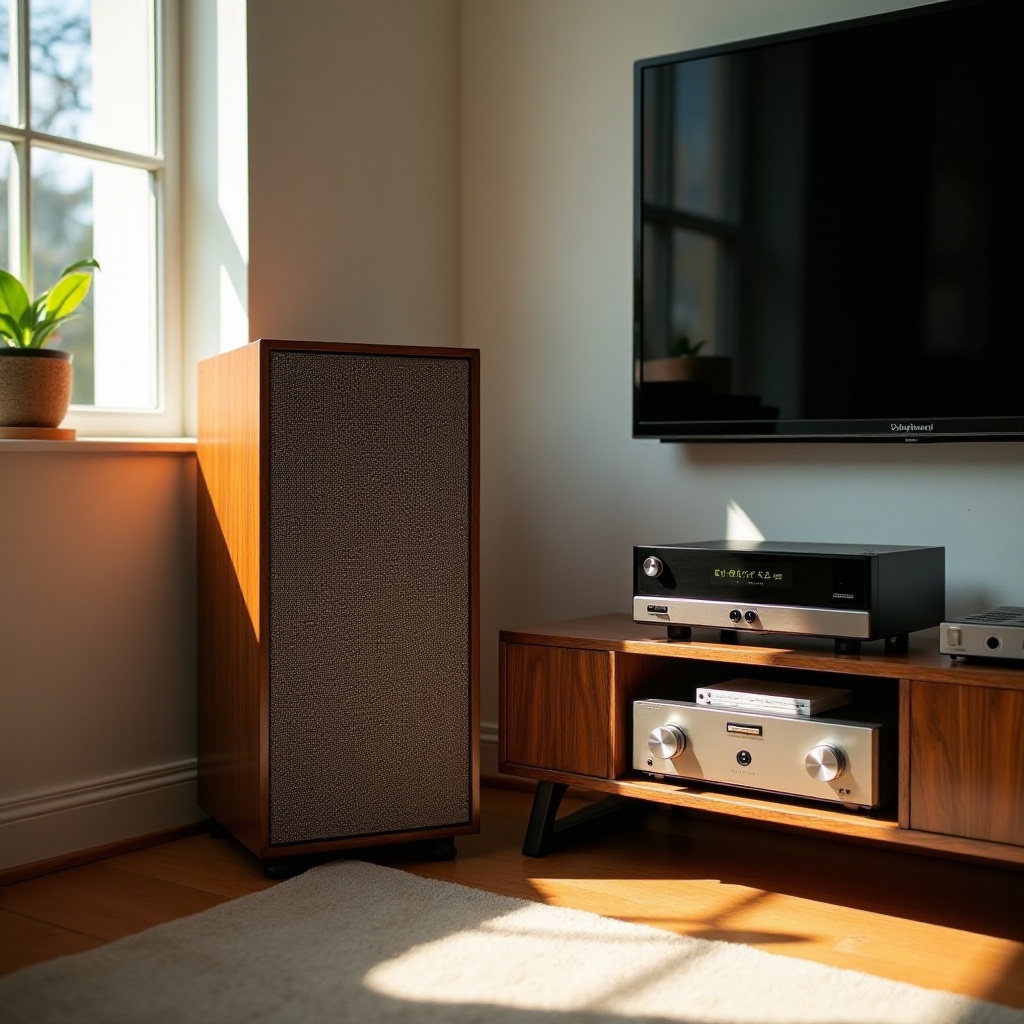
Pairing with Modern Amplifiers and AV Receivers
You can drive vintage speakers with several types of modern gear:
- Modern stereo amplifiers or integrated amps with enough clean power.
- Home theater receivers with speaker outputs that match the speaker impedance.
- Compact Class D amps, as long as they provide enough current and stability.
Check your amp’s manual to confirm it supports the speaker’s impedance, and avoid running the system at maximum volume for long periods.
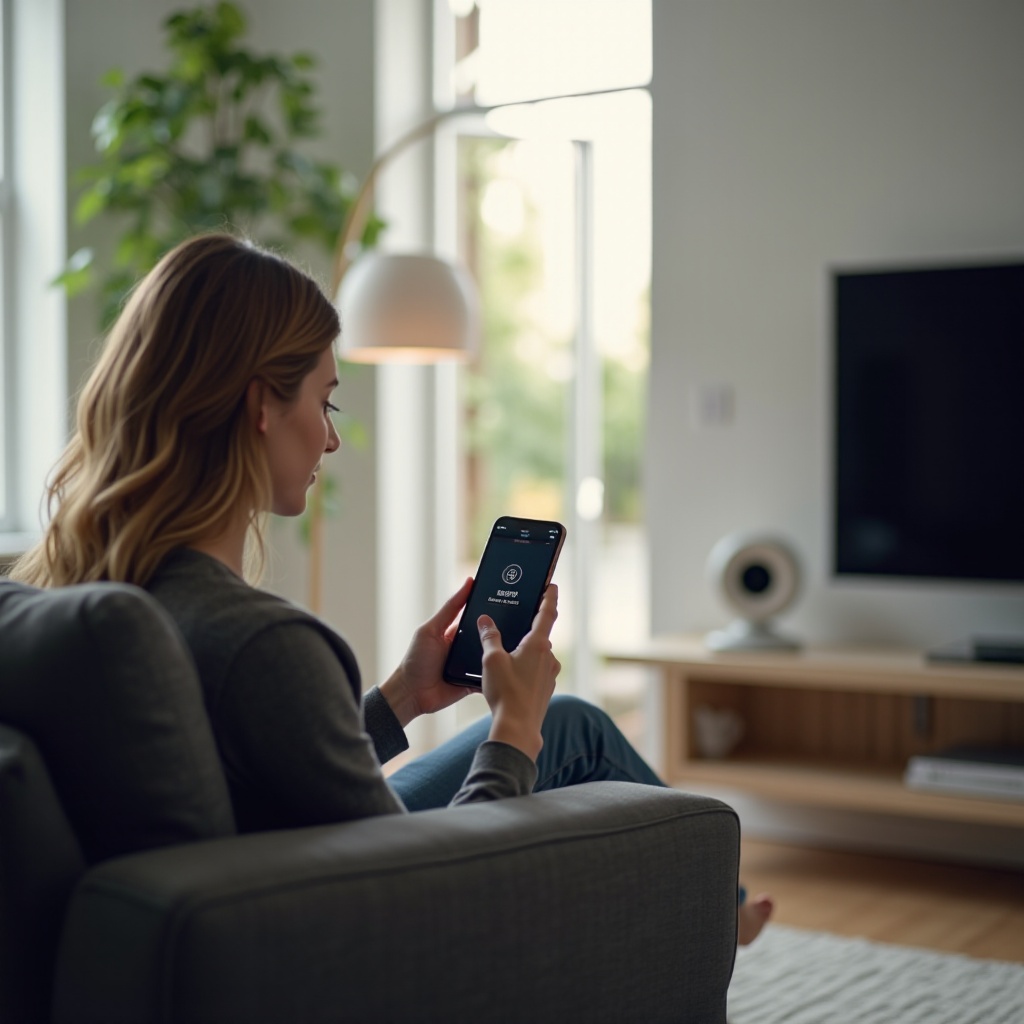
Adding Streaming, Bluetooth, and Smart Features
To enjoy streaming with vintage home speakers:
- Connect a network streamer, DAC, or music server to your amplifier.
- Use a Bluetooth receiver or Wi-Fi audio adapter on an available input.
- Pair your phone, tablet, or smart TV with that receiver to send audio.
This setup gives you modern convenience while your vintage home speakers handle the actual sound.
Using Subs and DSP to Extend Performance
Some vintage speakers roll off in the deep bass or have room-related peaks. You can help them with:
- A powered subwoofer crossed over at a suitable frequency.
- Room correction or simple EQ to tame boom and balance the sound.
- Careful level matching so the sub supports the speakers without drawing attention.
Once the core system is in place and well integrated, speaker position and room treatment often bring the biggest final improvements, which leads directly to setup and tuning.
Placement, Setup, and Room Tuning for Vintage Home Speakers
Even the best vintage home speakers suffer in a bad room setup. A few adjustments can unlock far better sound and make your system feel more expensive than it is.
Speaker Positioning for Best Stereo Imaging
Follow these basic rules when placing your speakers:
- Form a triangle: distance between speakers roughly equals distance from each speaker to your listening position.
- Keep the tweeters near ear level when seated.
- Start with speakers about 1–2 feet from the rear wall, then adjust by small steps.
- Toe-in slightly so the speakers point near, but not directly at, your ears.
Small moves – just a few inches – can sharpen the stereo image and center vocals.
Managing Reflections, Bass Boom, and Room Issues
Rooms cause many common sound problems. You can improve things by:
- Avoiding shoving speakers into corners unless they are designed for that.
- Using rugs, bookshelves, and soft furnishings to reduce harsh reflections.
- Moving the listening seat away from walls to avoid strong bass peaks.
- Using light EQ or room correction only after you optimize placement.
If you use digital room correction or EQ, make small changes and trust your ears rather than chasing perfect graphs.
Style Tips: Making Vintage Speakers Part of Your Decor
Vintage home speakers can look as good as they sound when you treat them as part of the room design:
- Use sturdy stands for bookshelf models to bring them to the right height.
- Run cables along walls or under rugs for a clean look.
- Frame speakers with plants, art, or a low media console to create a balanced visual scene.
When your speakers fit the room both visually and sonically, they are more enjoyable to live with day after day.
Cost, Value, and Long-Term Ownership in 2024
Owning vintage home speakers is not just a one-time purchase. It is an ongoing relationship with gear that may outlast many modern devices if you care for it.
Balancing Collectible Value and Daily Use
Some models gain value over time, while others remain affordable workhorses. Decide what matters more to you:
- If you want an investment piece, keep originality and condition in mind.
- If you want daily drivers, do not fear tasteful upgrades that improve reliability and sound.
Either way, treat them well, and they can provide years of service.
Maintenance Expectations for Vintage Speakers
Plan for a bit of maintenance with vintage home speakers:
- Occasional dusting and cleaning of cabinets and grills.
- Checking surrounds and terminals every year or two.
- Possible future recap or driver service if issues arise.
This level of care is modest and often worth it for the sound quality and satisfaction.
When It Makes Sense to Choose Modern Instead
Vintage is not always the right answer. You may prefer modern speakers if:
- You want tiny, wireless, all-in-one solutions with built-in assistants.
- You do not want to deal with any maintenance or restoration.
- Your room and lifestyle favor compact, plug-and-play soundbars or smart speakers.
If you still feel drawn to vintage home speakers after weighing these factors, you are ready to move forward with confidence and start building a system that reflects your taste.
Conclusion
Vintage home speakers offer a mix of sound quality, design, and emotional pull that many modern products cannot match. When you understand how to judge condition, match them with your room and amplifier, and perform basic restoration, you can unlock that potential safely.
By choosing reputable brands, inspecting carefully, and planning for modest upgrades, you turn a used pair of speakers into the heart of a modern system. With the right placement and connection to streaming gear, your vintage home speakers can deliver warm, engaging sound for music, movies, and daily listening throughout 2024 and beyond.
Whether you start with an affordable pair or hunt down a dream model, the journey into vintage audio can be one of the most rewarding parts of building a home system you truly love.
Frequently Asked Questions
Are vintage home speakers better than new speakers in 2024?
Vintage home speakers can sound better than many new budget models, especially if you like warm, full-bodied sound. High-end modern speakers often win on precision, features, and wireless convenience, but well-chosen vintage speakers can compete strongly on musical enjoyment. When they are restored and matched with a good amplifier, they offer character and presence that many listeners prefer.
How much should I budget for my first pair of vintage home speakers?
For a first setup, many buyers do well by setting a total budget that covers both speakers and basic service. Aim for a range that includes the speakers, plus potential costs for refoaming, recapping, and stands or cables. This approach gives you access to solid classic models that may need only light work to perform well in a modern home system.
Are vintage home speakers compatible with smart TVs and streaming services?
Yes. Connect your smart TV or streaming device to a modern amplifier or AV receiver, then run speaker cables to your vintage home speakers. You can also add a Bluetooth or Wi-Fi audio receiver to your amp and stream from your phone or tablet. This setup lets you enjoy movies, games, and music from apps while your vintage speakers handle all the sound.