Understanding and Optimizing the Startup Folder in Windows 11
Introduction
The startup folder in Windows 11 significantly influences your computer’s boot speed and operational efficiency. By effectively managing this folder, you control which applications open automatically with your system, thereby enhancing overall performance. This comprehensive guide shows you how to access, manage, and optimize your startup folder in Windows 11, while providing troubleshooting tips and best practices.
What is the Startup Folder in Windows 11?
The startup folder includes shortcuts of programs intended to launch automatically when Windows 11 starts. Managing this list of applications affects how swiftly your computer boots and performs. In Windows 11, the ability to customize the startup folder grants you control over background operations. While some programs are crucial for seamless functioning, others may only consume precious resources unnecessarily. By organizing this list carefully, your computer’s performance from the start can be markedly improved.
How to Access the Startup Folder
Once you understand the function of the startup folder, accessing it becomes essential for proper management. Below are two straightforward methods:
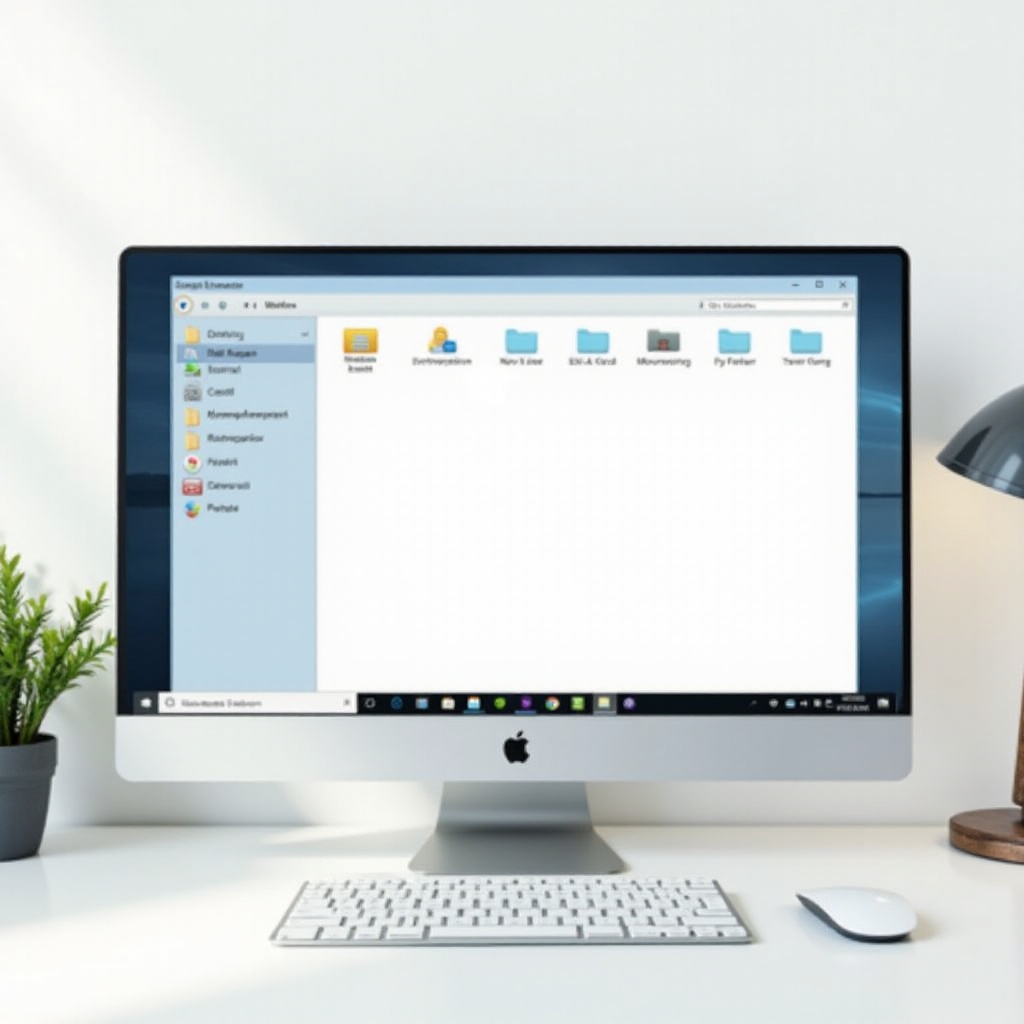
- Access via File Explorer:
- Launch File Explorer.
- Enter ‘shell:startup’ in the address bar and press Enter.
-
This action reveals the startup folder, allowing you to view and adjust its contents.
-
Using Windows Run Command:
- Press ‘Windows + R’ to bring up the Run dialog box.
- Type ‘shell:startup’ and hit Enter for direct access to the folder.
Knowing how to access the startup folder is fundamental for effective management. Properly handling this folder will optimize both the speed and efficiency of your computer’s boot sequence.
Managing Programs in the Startup Folder
Efficiently managing your startup folder can lead to notable improvements in system performance. Here’s how to control which programs load automatically:
- Adding Programs:
- Locate the desired program.
- Right-click to create a shortcut.
-
Copy this shortcut to the previously accessed startup folder.
-
Removing Unnecessary Programs:
- Reopen the startup folder.
- Identify programs that aren’t critical at startup.
- Right-click and delete these shortcuts to prevent them from auto-launching.
Restricting startup programs to just the essentials enhances boot times and allows your computer to focus resources on the tasks you prioritize.
Best Practices for Optimizing Startup Items
Optimization extends beyond merely adjusting applications. To further streamline your startup process, adhere to these best practices:
- Recommended Programs: Include only essential software, such as security tools and applications immediately required post-boot.
- Apps to Avoid: Exclude resource-heavy utilities like gaming hubs unless absolutely necessary.
Such optimization ensures your computer boots up quickly, sustaining seamless resource allocation and enhancing your user experience.
Troubleshooting Common Startup Issues
Even with diligent management, startup issues may still crop up. Address common problems with these solutions:
- Lagging Startup Times: Ensure minimal programs are set to auto-launch. Deactivate unnecessary processes in the ‘Startup’ tab of Task Manager.
- Error Messages: Cross-check the startup folder to confirm all shortcuts relate to active applications. Troublesome programs may need repair or reinstallation.
Proactively troubleshooting these issues eases system bottlenecks, fostering a smooth operating environment post-boot.
Leveraging Tools for Startup Management
Windows 11 offers various built-in and third-party tools to aid startup management:
- Task Manager: Use this feature to evaluate and disable high-impact startup applications.
- Third-party Tools: Consider software like CCleaner or Advanced SystemCare for enhanced startup management capabilities.
These tools grant you greater control over the startup process, allowing for meticulous adjustments that support optimal system functionality.
Conclusion
Proper management of your startup folder is a straightforward yet powerful approach for boosting Windows 11 system performance. By understanding the startup folder, accessing it efficiently, regulating its contents, and resolving issues promptly, you ensure your computer runs efficiently from the get-go. Regular attention to your startup folder maximizes your Windows 11 experience by maintaining peak performance.
Frequently Asked Questions
How can I improve my computer’s startup speed in Windows 11?
Reduce the number of programs in the startup folder and disable unnecessary tasks using the Task Manager.
Is it safe to disable startup programs in Windows 11?
Yes, you can disable non-essential programs to boost boot speed and overall performance without harming system operations.
Can I schedule programs to start only after booting up?
Use Task Scheduler in Windows 11 to set specific programs to start at designated times, ensuring they don’t affect boot performance.