
Why Do Solar Panels Perform Differently on Similar Houses?
February 12, 2026
Solar panels often deliver different results even when installed on homes that look almost identical. Two houses on the same street may have matching roof shapes, equal system sizes, and the same sunlight exposure on paper—yet one consistently generates more electricity. These performance gaps come from a mix of environmental, structural, and user-driven factors that shape how effectively panels convert sunlight into usable energy. Variables such as roof angle, shading changes across the day, airflow around panels, and real-world usage patterns all influence output. Portable options, such as the Anker SOLIX PS400 Portable Solar Panel, highlight how positioning and angle changes alone can dramatically shift performance. Understanding these differences helps homeowners optimize results and set realistic expectations.
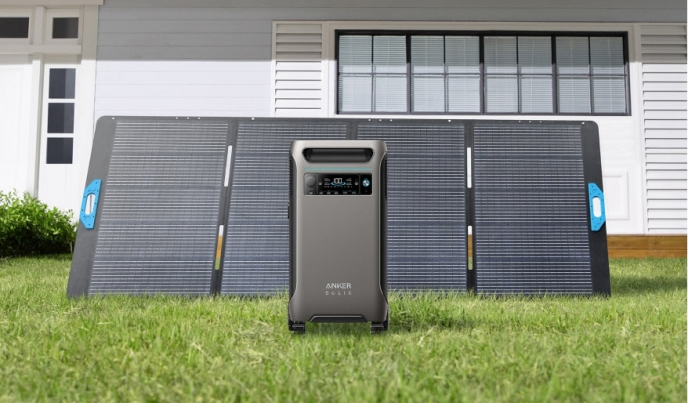
Factors Within the Home Environment That Affect Panel Output
Small Roof Angle Differences Create Significant Energy Variations
Two homes may look alike, but roof pitch often varies slightly due to construction tolerances or renovations. Even a small shift in angle changes how much direct sunlight the panels receive throughout the year. A house with a roof closer to the ideal tilt for its latitude will naturally produce more electricity. The variance is most visible during winter when lower sun angles exaggerate small structural differences. When users employ adjustable solutions such as the Anker SOLIX PS400, they can modify panel tilt throughout the year and switch between 30°, 40°, 50°, or 80° settings. These angle adjustments capture stronger sunlight during seasonal shifts and demonstrate how a few degrees of orientation can reshape energy results between similar homes.
Daily Shading Patterns Differ More Than Homeowners Expect
Even when two houses appear unshaded, their micro-environments differ. One roof may experience early-morning shading from a neighboring chimney, while the other faces a late-afternoon shadow from a tall tree across the street. Shadows move throughout the year, lengthening in winter and shortening in summer, which affects output differently on each property. A rooftop vent, dormer, or pergola can cast narrow shadows that reduce panel efficiency. Small obstructions create “hot spots” where shading affects the entire panel string. Portable solar options demonstrate how sunlight access changes even within the same property. If a user places the PS400 a few feet away from a shaded area, the output may increase dramatically. These subtle, shifting shading effects explain why similar homes rarely achieve identical solar results.
Airflow and Temperature Conditions Influence Conversion Efficiency
Heat is one of the most overlooked variables that separate high-performing and average systems. Two seemingly identical roofs may experience different airflow conditions because of surrounding structures, landscaping, or attic ventilation differences. Panels perform best when they stay cool, and airflow helps dissipate heat buildup beneath them. A roof with better circulation maintains lower operating temperatures, improving efficiency throughout the day. Darker roofing materials can also trap more heat, reducing energy conversion on one home but not the other. Portable panels such as the PS400 show how repositioning can immediately improve thermal conditions. Mesh backs and open placement allow free airflow, resulting in cooler operation. This highlights why even small thermal variations between homes lead to different long-term performance outcomes.
System Design and User Decisions That Shape Solar Performance
Panel Orientation Choices Impact Year-Round Sun Exposure
Not all homeowners install panels at the same orientation even when their roofs share identical layouts. Some choose to optimize for summer production, while others aim for balanced year-round output. Even a 10–15° difference in orientation—caused by roof geometry or installation preference—can shift total generation by hundreds of kilowatt-hours annually. Professional installers may also orient panels differently based on wiring, shading predictions, or aesthetic preferences. Portable systems like the Anker SOLIX PS400 reveal the impact of orientation clearly. When users rotate the panel slightly toward the sun, even on a flat surface, the measurable output increases. These orientation decisions, intentional or not, explain why panels solar home installations diverge in performance despite appearing structurally identical.
Equipment Choices and Maintenance Habits Affect Real-World Output
Two homes may use panels of the same wattage, but the rest of the system often differs. Inverters, wiring quality, and optimizer configurations influence how efficiently solar energy becomes usable electricity. System age matters as well—older components may degrade differently depending on weather exposure. Maintenance habits also diverge. One homeowner may clean panels regularly, while another leaves pollen, dust, and leaves untouched for months. Debris accumulation alone can reduce output by 10–20%, making identical houses perform very differently. Portable panels demonstrate how cleanliness and user care influence performance. The PS400’s durable surface is easy to wipe clean, and its folding design protects it between uses. This contrast highlights how user engagement shapes annual solar yield.
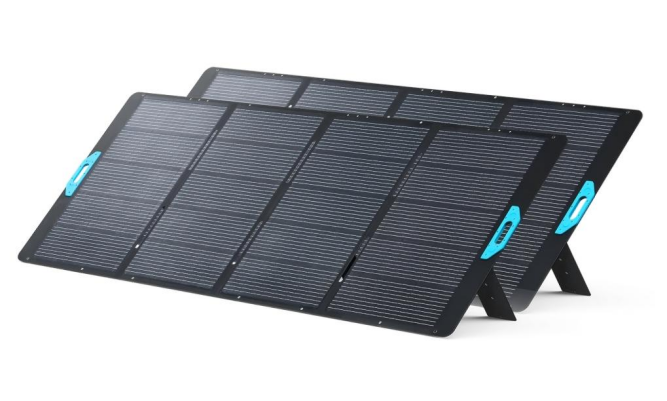
Sunlight Positioning Flexibility Changes Overall Energy Potential
Fixed rooftop systems can only work with the sun angles available to their specific roof geometry. However, minor differences in panel placement—just a few feet left or right—change how sunlight hits the array. Vent pipes, skylights, satellite dishes, or differently placed HVAC equipment may require installers to reposition panel strings. Each change affects how long the panels receive full-sun conditions. Portable systems, on the other hand, offer flexibility that fixed systems cannot match. A user can move the Anker SOLIX PS400 across the yard, driveway, or balcony to find the strongest sunlight at any time of day. This mobility illustrates how panel positioning strongly influences output, and why similar-looking homes produce different amounts of solar energy.
Conclusion
Solar panels installed on houses that appear nearly identical often perform differently because the real world introduces variables that aren’t obvious from a distance. Roof angles, shading patterns, airflow conditions, and orientation choices all contribute to measurable output differences. Homeowners also influence results through equipment selection, maintenance routines, and system configuration decisions. Portable solutions such as the Anker SOLIX PS400 Portable Solar Panel highlight how positioning, tilt, and sunlight access directly shape performance by making these factors visible and adjustable. Understanding these subtle, often overlooked differences allows homeowners to optimize system results and set realistic expectations. Solar performance is not determined solely by panel wattage but by the unique environmental, structural, and behavioral patterns surrounding each home.