
How to Prevent and Treat Red Marks from Apple Watch
Introduction
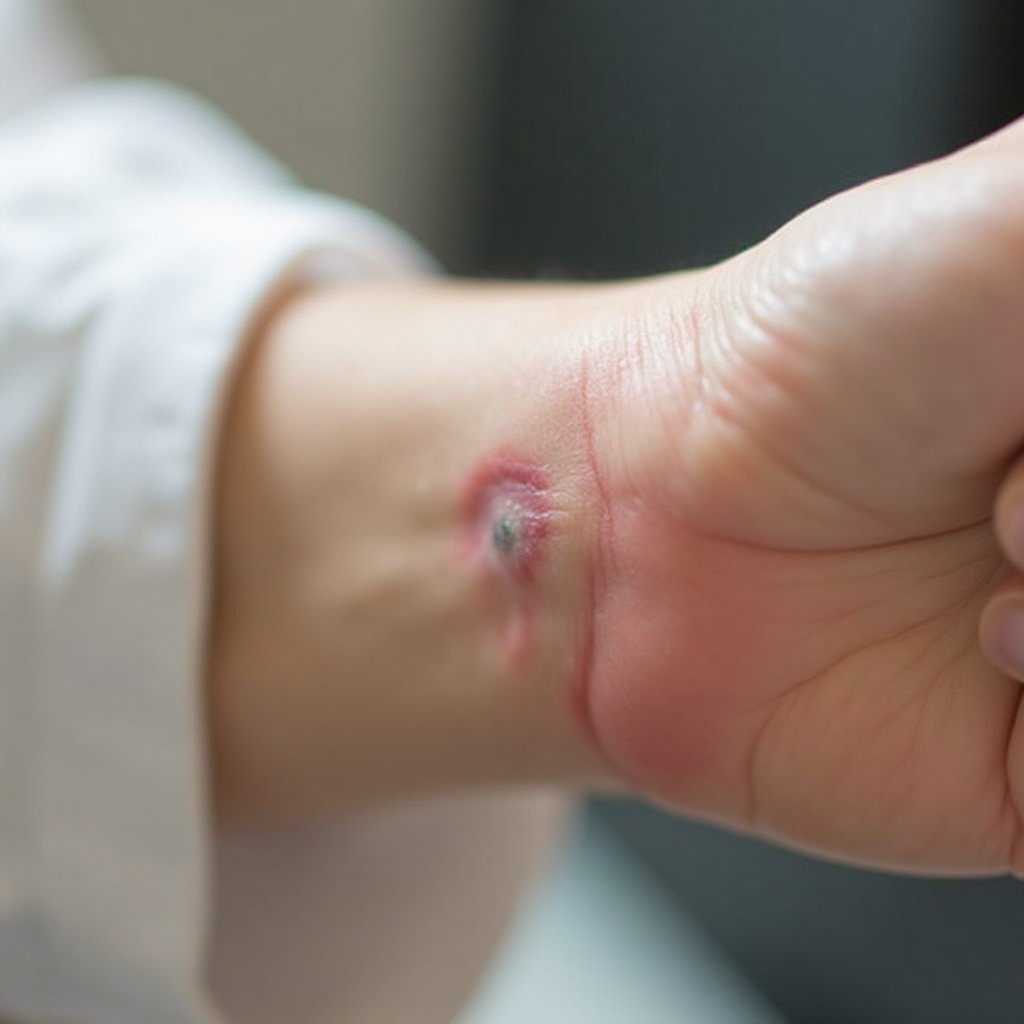
Have red marks or irritated skin appeared on your wrist from wearing your Apple Watch? You’re not alone—many users experience this discomfort. The good news is these marks often result from preventable causes like material allergies or improper fit. By understanding these factors and learning how to address them, you can continue to enjoy your Apple Watch without irritation. This guide will walk you through the common causes of these red marks, offer advice on choosing the right watch band, and present daily habits to maintain healthy skin. Let’s delve into the reasons behind these red marks before exploring practical solutions.

Common Causes of Red Marks from Apple Watch
Several factors contribute to the appearance of red marks on your wrist from wearing an Apple Watch. Identifying these causes can help you make informed adjustments to prevent further irritation.
-
Material Allergies: The materials used in Apple Watch bands, such as nickel or certain plastics, can cause allergic reactions for some individuals. If you notice redness or itching, consider whether your skin may be reacting to these materials.
-
Fit and Friction Issues: Wearing your watch too tightly can cause friction, leading to red marks and discomfort. A loose fit, on the other hand, may cause unnecessary movement and rubbing against the skin. Finding the right balance between too tight and too loose is key.
-
Environmental and Lifestyle Factors: Sweat, lotions, and other environmental factors can contribute to skin irritation. Regular exposure to these elements, especially during workouts or in hot weather, can exacerbate the problem.
Knowing these causes helps guide us to selecting a suitable watch band and making lifestyle adjustments to reduce skin irritation.

Selecting the Right Apple Watch Band for Sensitive Skin
Choosing the right Apple Watch band can significantly reduce the risk of skin irritation, especially for those with sensitive skin. Here’s how to make the best choice:
-
Overview of Band Materials: Apple Watch bands come in various materials, including silicone, leather, and metal. Silicone bands are popular for their flexibility and hypoallergenic properties. Leather offers a stylish option, while metal bands can provide durability but may cause allergies. Each material has its pros and cons, so consider your skin’s sensitivity.
-
Recommendations for Sensitive Skin Types: For sensitive skin, opt for silicone or fabric bands as these materials are generally less likely to cause allergic reactions. Fabric bands are breathable, reducing sweat accumulation. Some brands offer specialized hypoallergenic bands that are worth considering.
-
Customizing Band Fits: Adjustable bands are ideal for achieving the right fit. Ensure your watch sits snugly against the skin without applying too much pressure. Customizable bands allow you to fine-tune the fit throughout the day for maximum comfort.
Selecting the appropriate band is just one step. Your daily habits also play a crucial role in preventing red marks.
Daily Habits to Minimize Red Marks
Implementing simple daily habits can further help in minimizing red marks and maintaining overall skin health:
-
Proper Fitting Techniques: Adjust the band as needed to ensure a comfortable fit. Consider loosening the band during less active periods and tightening it during workouts to prevent excessive movement.
-
Skincare Routines: Maintain clean, hydrated skin to prevent irritation. Wash your wrist regularly, especially after workouts, and apply a moisturizer suitable for sensitive skin. Avoid applying lotion directly under the watch band to reduce the risk of reaction.
-
Cleaning and Maintenance Tips: Regularly clean your Apple Watch and band to remove sweat, oils, and dirt that can cause irritation. Use a soft, damp cloth and mild soap to clean the band, ensuring it is completely dry before wearing it again.
These habits promote healthier skin and reduce irritation. However, if issues persist, consulting a dermatologist might be necessary.
When to Consult a Dermatologist
Although most red marks from wearing an Apple Watch are temporary, persistent skin issues may require professional intervention. Consider visiting a dermatologist if:
-
Recognizing Persistent Skin Irritations: If you notice persistent redness, itching, or swelling that does not improve with band adjustments and daily care, it might indicate an underlying condition that needs medical attention.
-
Professional Treatment Options: Dermatologists can offer treatments like topical creams or medications to alleviate symptoms. They may also conduct allergy tests to identify specific triggers.
Consulting a dermatologist ensures your skin gets the specialized care it needs. Now, let’s summarize the key points of maintaining comfort while wearing your Apple Watch.
Conclusion
The Apple Watch is a fantastic accessory that should enhance, not hinder, your daily life. Understanding why red marks appear helps you take active steps to prevent them—through smart band choices, effective personal hygiene, and mindful wear habits. If irritation persists, don’t hesitate to seek professional advice. With these precautions, you can comfortably enjoy all the technological benefits your smartwatch has to offer while keeping your skin healthy and irritation-free.
Frequently Asked Questions
Can certain materials prevent skin irritation?
Opting for hypoallergenic materials like silicone or fabric can significantly reduce the risk of irritation for sensitive skin.
How tight should my Apple Watch be for optimal comfort?
Your watch should sit snugly on your wrist without being too tight. Adjust the fit throughout the day to find a balance that is comfortable for different activities.
What should I do if I continue experiencing red marks?
If red marks persist despite making band adjustments and following skincare tips, consider consulting a dermatologist for specialized care and advice.
