Is a Home Battery Backup Worth It in 2026?
February 12, 2026
Considering a home battery backup involves evaluating multiple factors. With increasing energy disruptions and the rise in electricity prices, homeowners are keen on finding reliable solutions to ensure consistent power supply. Battery backup systems, once considered a luxury, have now become essential for enhancing energy independence and reducing electricity costs. However, are they worth the investment in 2026? This guide explores the functionalities of modern home battery systems, their financial implications, and how they align with today’s advanced energy demands. Delve into the details to make an informed decision for your household energy needs.

What a Home Battery Backup Does in 2026
How Home Battery Systems Work With the Modern Grid
Today’s home power battery backup systems integrate smoothly with the grid, maintaining energy flow even in tough conditions. They charge by absorbing power from solar panels or the grid during low-cost periods. Stored energy can then be utilized during high-demand times, optimizing consumption and minimizing costs. Moreover, smart technology allows these systems to predict peak times, automatically adjusting the energy storage strategy. With connectivity features like Wi-Fi and Bluetooth, users can monitor their energy usage remotely, ensuring maximized efficiency. These systems, highly adaptive, cater to diverse energy demands by prioritizing essential appliances during outages, thereby ensuring homes stay functional and secure.
Key Use Cases: Outages, Peak Rates, and Energy Independence
Battery backups are pivotal in managing electricity during outages, reducing reliance on the grid. Besides offering instant power when the regular supply dips, they empower homeowners to avoid peak rates with stored energy. This is crucial in regions where electricity costs skyrocket during peak hours. Additionally, by harnessing solar energy, these systems support homeowners striving for energy independence. For those who wish to disconnect partially or fully from the grid, battery backups serve as the cornerstone of a self-sufficient lifestyle. With growing environmental concerns, an investment in battery systems also signifies a step towards sustainable living.
Costs, Savings, and Real Return on Investment
Upfront Costs, Installation, and Incentives in 2026
The initial expenses for battery backups in 2026 vary widely, influenced by system capacity, brand, and features. Installation costs are another factor, potentially reaching several thousand dollars. However, homeowners may qualify for incentives and rebates that significantly reduce these costs, as governments continue to encourage sustainable living practices. Tax credits for solar installations remain a popular method of offsetting these expenses. Even with these upfront investments, the long-term benefits often outweigh the initial financial burden, as sustainable energy solutions typically increase property values over time.
Long-Term Savings With Solar and Whole-Home Backup Systems
Pairing battery backups with solar systems maximizes savings by harnessing free, renewable energy. Over time, reduced reliance on grid electricity translates to lower monthly bills, leading to substantial financial savings. Furthermore, whole-home backup systems ensure there is no wasted energy, efficiently managing power use across various appliances and reducing consumption. The return on investment becomes significant in years to come as electricity prices continue to rise. Homeowners not only save money but also contribute to environmental sustainability, aligning with broader societal energy-saving goals.
Choosing the Right Home Battery Backup System
What to Look for in a Whole-Home Battery Backup Solution
Opt for systems that offer scalable solutions, easy installation, and robust support. Consider the power output capacity to ensure it meets your home’s energy requirements during outages. Evaluate connectivity options such as Wi-Fi and Bluetooth for remote monitoring. Long warranties and strong customer support will provide peace of mind. Systems with high adaptability and integration capabilities with existing solar panels are particularly desirable.
Example: Scalable Whole-Home Backup With Anker SOLIX
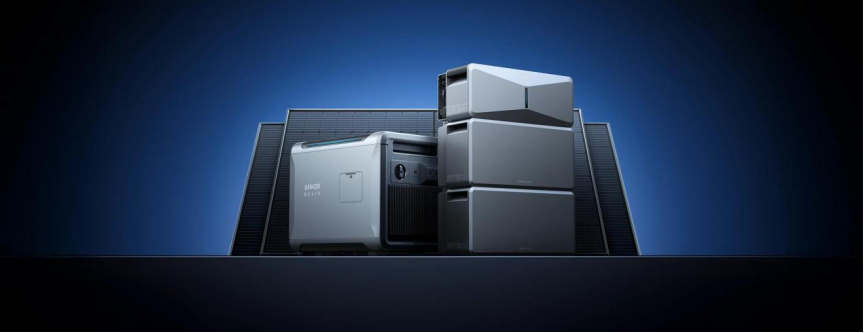
The Anker SOLIX E10 represents a versatile and powerful whole-home backup system. With a rated voltage of 120/240 VAC split phase and a maximum continuous output power of 7,680W, it can efficiently manage significant electrical loads. Its scalable capacity, with configurations supporting up to 275A output, ensures adaptability for varied household needs. Quick recharging capabilities and a robust enclosure type offer resilience. With operating temperatures ranging from -4°F to 131°F, it’s built for durability. Connectivity features like Wi-Fi and Bluetooth enhance user control and monitoring, making it an excellent choice for an advanced and reliable backup system.
Conclusion
Investing in a home battery backup system in 2026 is worthwhile for those seeking energy reliability and savings. Evaluate costs against the potential benefits, keeping an eye on options like the Anker SOLIX E10. Enjoy not only economic savings but also the assurance of energy independence. As society moves towards sustainable solutions, a robust battery backup system forms a critical part of future-ready homes. Whether concerned about outages or rising electricity costs, the benefits are significant, positioning homeowners ahead in energy efficiency and sustainability.