
Can a Solar Powered Generator Run Your Whole Home?
January 30, 2026
Solar power has evolved significantly, offering possibilities that were once deemed impossible. With residential solar power systems rising in popularity, they now promise potential independence from the grid. At the heart of this promise is the solar powered generator, a versatile and eco-friendly device. But, can it sufficiently power your entire home? This blog delves into the integral aspects of this question. By examining energy needs, system capacities, and the configurations of advanced solar generators, you’ll gain insights into integrating solar power into your lifestyle seamlessly. Understanding how these systems work together can pave the way for a sustainable, efficient, and self-reliant energy solution for your home.
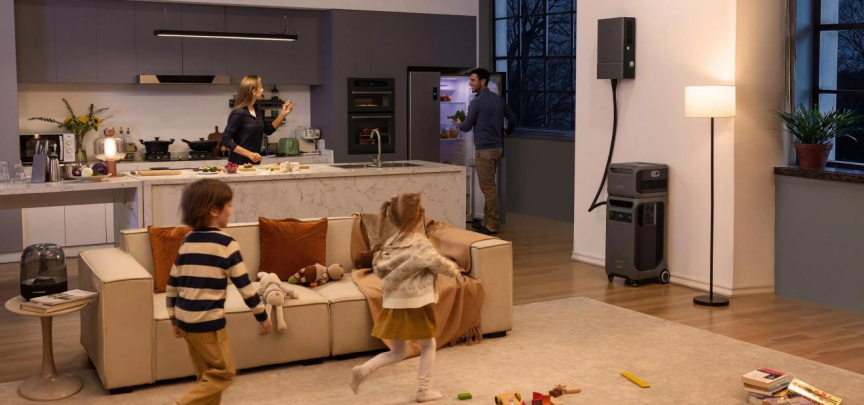
How Whole-Home Power Works with Solar Powered Generators
Solar powered generators combine solar panels, inverters, and batteries to create a full home power solution. Solar panels absorb sunlight and convert it into electricity, which is then transformed into usable AC power by inverters. This energy can directly power appliances or be stored in batteries for later use, ensuring continuous power availability even when sunlight isn’t optimal. The harmony among these components is vital for maintaining a consistent energy supply in a home setting.
Calculating Home Energy Use and Matching It with Solar Power Output
To determine if solar powered generators can support your home, you need to assess your energy consumption. Calculate the wattage of all household devices, including refrigerators, HVAC systems, and lighting. Anker SOLIX F3800 Plus generators, for instance, can provide substantial power with 6,000W AC output per unit, suitable for high-demand appliances. Compare your total energy use against the generator’s solar input capacity, which can reach up to 3,200W under optimal conditions. Ensure that your generator’s efficiency matches your daily power needs for comprehensive coverage.
How Batteries, Inverters, and Solar Panels Work Together at Home
In a solar generator setup, solar panels capture energy from sunlight. This energy is converted into usable AC power via inverters. Batteries then play a critical role by storing excess energy, which becomes essential during night or cloudy days. The Anker SOLIX F3800 Plus F3800 Plus, for example, features EV-grade batteries with a long lifespan, ensuring uninterrupted power supply. This synergy allows your home to operate seamlessly on solar power, tackling the challenge of variable energy availability.
Home Scenarios Where Solar Powered Generators Shine
Solar generators excel in various household scenarios due to their adaptability and efficiency. For everyday loads such as lighting, refrigerators, and electronics, these generators offer sufficient power, enhancing sustainability practices.
Everyday Household Loads a Solar Generator Can Support
Solar generators support a range of daily appliance needs, such as powering lights, small kitchen appliances, and entertainment devices. With a dual voltage capability of 120V/240V, Anker SOLIX F3800 Plus systems are versatile enough to handle bigger loads like fridges along with central AC systems. Their plug-and-play functionality simplifies integration without the need for professional installation, making solar power accessible for everyday use.
Using Scalable Systems Like Anker SOLIX F3800 Plus Solar Generators for Home Power
Scalability is a hallmark of solutions like the Anker SOLIX F3800 Plus F3800 Plus. Starting at 3.84kWh and expandable to 53.8kWh (12kW), these systems accommodate homes of varying sizes and energy needs. The ability to monitor and control operations through an app ensures that energy use is optimized consistently. For those considering EV or RV setups, direct charging options extend the utility of this solar system even further, illustrating its comprehensive home power potential.
How to Plan a Reliable Whole-Home Solar Generator Setup
Creating a solar generator setup involves thoughtful planning to ensure reliability. Considerations should include system sizing, installation, and long-term usage strategies to maintain efficiency.
Choosing the Right System Size for Your Lifestyle and Home Layout
Selecting the appropriate system size requires an understanding of your household’s distinct energy patterns. Examine your monthly kilowatt-hour consumption and align it with the generator’s capacity options. Anker SOLIX F3800 Plus systems are flexible, allowing units to operate with up to 6,000W output. This scalability means you can invest gradually, expanding as budget and needs dictate, without compromising initial performance.
Smart Energy Planning Tips for Long-Term Solar Generator Use
To maximize your system’s lifespan and efficacy, integrate smart planning techniques. Schedule your high-energy tasks during peak solar periods to optimize efficiency. Utilize energy monitoring capabilities via apps to track usage patterns. Regular maintenance of solar panels and inverters will ensure they function optimally. With advancements such as Anker’s robust, long-lasting warranties, you can confidently rely on your system for years, reducing grid dependency and fostering sustainability.
Conclusion
A solar powered generator can indeed power your home when planned and executed correctly. Understanding energy usage, investing in scalable systems like Anker SOLIX F3800 Plus, and implementing smart energy practices can transition your home to solar efficiently. With technological advancements and strategic planning, achieving whole-home solar power is not only feasible but practical. This shift promises a greener, independent future and a significant stride toward global sustainability efforts.